
Righteous Brand’s Collective: How Fans Are Building a Movement
A clothing house is only as powerful as the wearers who carry it into the world at large, and this is precisely where the genuine tale of We Are Righteous starts. This isn’t a label constructed purely on advertising spend orinfluencer gifting. Instead, it is a brand molded in comment sections, in private group threads, in resale threads, and in the way people tag each other under just one hoodie post from the line. Community has turned into the core mechanism, and the product merely serves as the reason people gather. Upon close inspection of how this community came together, one notices a dynamic resembling comparable enduring streetwear names: a small group of early believers who debate, discuss, and ultimately turn strangers into buyers.
What makes this certain community noteworthy is how outspoken it is about candor. It’s not just outfit photos being shared; instead they compose lengthy, principled review threads dissecting the stitching, the fit, and how a garment holds up after ten wears. Such attention to detail is unusual, and it has pushed the brand to stay honest in ways advertising by itself could never achieve. Shoppers essentially help steer quality control, forming a feedback cycle — and the brand listens because the community is the distribution channel.
Our Community’s Real Gathering Ground
This is by design: the brand’s fanbase disperses across a handful of specific digital hangouts instead of sticking to a single leading channel.
Instagram carries the imagery, with followers sharing outfit posts and tagging the official account for the possibility of a repost.
Discord-like community threads and closed discussion boards host the deeper conversation, where when items come back in stock, odd sizing details, and what’s coming next get dissected line by line.
Reddit threads and independent blogs every so often surface a we are righteous review that dives into greater detail than a product page ever would.
Newsletter subscriptions still matter here as well, which surprises people who assume younger shoppers we are righteous ignore inboxes. Early access to limited runs is more often than not the leading cause of newsletter subscriptions, given that fans have come to understand that righteous apparel drops move quickly and hardly ever come back in the same color version. That scarcity is not manufactured hype for its own sake; it reflects genuinely limited production runs, and the community treats that fact seriously. Being six minutes too late to a drop has evolved into a recurring gag among followers, part annoyance and part point of pride.
In a small number of cities, enthusiasts—instead of the label proper—have started organizing informal get-togethers. Such gatherings are modest gatherings, sometimes under twenty attendees, built around trading pieces, cross-checking fit between different lines, and capturing fits together. Few things are as grassroots: fans arranging their own gatherings around a apparel label without being asked, which says a lot about devotion.
Fan-Made Content as the Real Advertising Fuel
Anyone paying attention to streetwear will say the same thing: user-generated content these days outperforms sponsored ads for brands this early in their development. We Are Righteous profits significantly from this phenomenon. Just one well-shot photo of the righteous hoodie styled with mismatched outerwear can generate stronger interaction than a professional shoot, purely because it comes from a person the community already believes in. Customers are rarely paid influencers in most cases; they are buyers who appreciated how a garment sat on them and chose to share it.
Unlike a brand’s own photography, this content shows actual bodies, natural lighting, and genuine everyday context. A person wearing a piece on a daily commute, at a event, or on a weekend trip conveys fit and flow more persuasively than a staged studio shot. That authenticity is precisely why so many customers now search for a righteous review before buying anything, favoring a third party’s honest take over marketing copy. The community has effectively become the brand’s most credible sales team, though uncompensated, deeply invested.
Worth noting too is a secondary effect. Fans creating content frequently compares pieces against other brands they own—unintentionally generating free competitive analysis for onlookers. A shopper researching righteous clothing brand quality can, within a few swipes, see it measured against a handful of other names in the same price bracket. That kind oftransparent, casual comparison shopping did not exist in fashion a decade ago, and it has set a higher standard for everyone, not excluding this brand.
Weighing Up How Fan Communities Interact
Streetwear communities differ quite a bit, and understanding those distinctions helps explain why the We Are Righteous fanbase feels set apart. The table below compares typical engagement patterns across three typical community types in this space, based on observable behavior rather than brand claims.
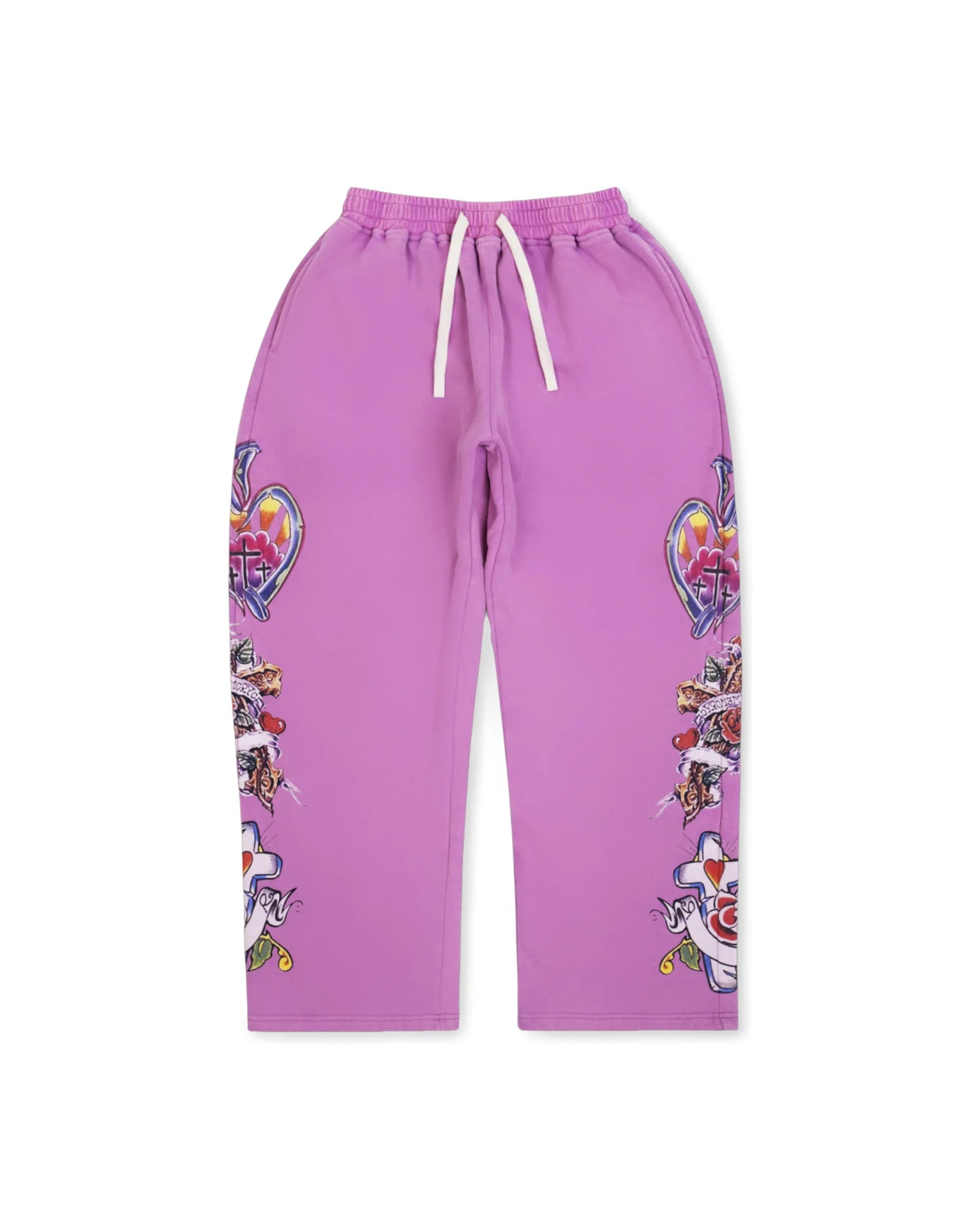
| Community Type | Primary Platform | Primary Behavior | Typical Post Frequency |
|---|---|---|---|
| The We Are Righteous fan community | Instagram + private group chats | Fit checks, drop alerts, honest reviews | Several times weekly around drops |
| Big mainstream streetwear community | TikTok | Trend-driven hauls, unboxings | Daily, large output |
| Specialized resale/collector community | Discord and forums | Authentication, price tracking, trading | Ongoing, nonstop, minimal visual content |
This comparison shows that the We Are Righteous community sits somewhere between the high-frequency chaos of mainstream trend culture and the quieter, more technical world of collector forums. It is visual enough to feel current but detailed enough to feel trustworthy, and that balance is not something a brand can fully engineer on its own.
The Design in Question Shaped by Feedback
Its calls are shaped quite noticeably by audience commentary, something that stays underappreciated across this ecosystem. Updated fit notes on subsequent product pages have historically resulted from sizing complaints voiced in a review thread. Asks to bring back stock on specific pieces get monitored casually by fans themselves, who then flag the brand directly when interest climbs to a noticeable threshold. This is not a formal focus group process; it is more like an ongoing, unstructured conversation that happens to influence real outcomes.
When a limited drop of the righteous hoodie sells out within hours, fans openly ask for that same colorway to return, and those requests accumulate in comment sections until they become impossible to dismiss. Colorway decisions in particular seem to respond to community sentiment, and regardless of whether each one is granted, the prominence of that feedback shapes how future runs get planned. Unlike the conventional hierarchical fashion model many are used to, this is a much more open relationship between shopper and label.
A notably recurring discussion point has emerged as how true-to-size pieces run. Since shoppers swap observations across several orders, trends surface fast — whether a piece runs true to size, slightly oversized, or better suited to layering. New shoppers researching righteous clothing before buying often rely on these crowdsourced sizing notes more than the official size chart alone, treating community consensus as a second layer of confirmation.
2026 Approaches: What This Means
As the company pushes further into 2026, the community energy appears poised to intensify rather than fade. More cities are experiencing casual meetups take shape, more independent reviewers are putting out detailed breakdowns, and more first-time buyers are arriving already prepped by another shopper’s candid righteous-review testimonial rather than detached promotional messaging. That is a meaningfully different customer journey than most fashion brands experience, and it puts pressure on product quality to keep matching the conversation happening around it.
The fanbase are more and more expecting that the company will keep listening, rather than just cranking out product. If feedback results in a shift, groups formed around this sort of engagement expect recognition—even something as small as a blurb calling out a widely-made ask, given that they do not tolerate silence well. Since audiences remain committed to companies that clearly engage back, this dynamic ups the ante while also reinforcing devotion.
When it comes down to it, the community spirit surrounding We Are Righteous has been shaped by dialogue far more than by ad pushes. Fans comparing fits, arguing over sizing, organizing their own meetups, and publishing unsponsored reviews have done more to define the brand’s identity than any single marketing push could. This ground-level base is fragile in some ways, given that it hinges completely on sustained trust, though it remains unusually tough all the same. A self-organized community tends to defend what it built, and that dynamic is apt to continue shaping this brand long past this year.